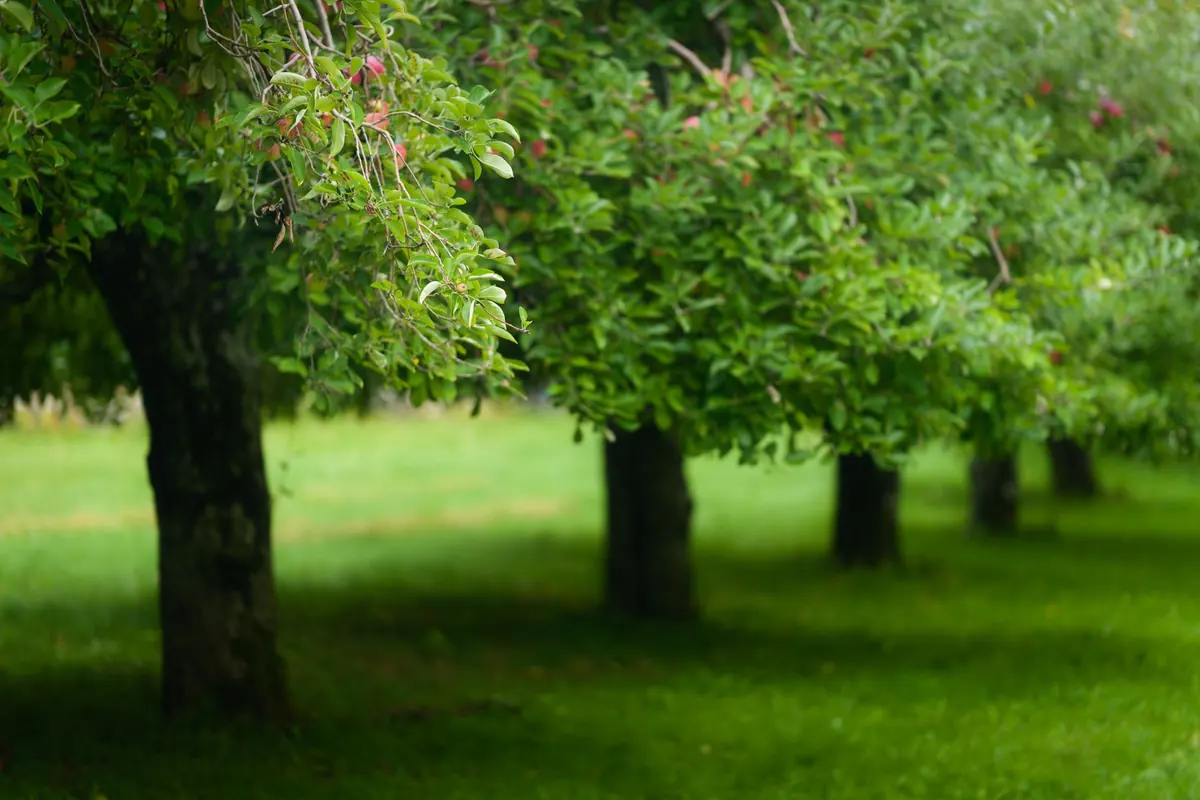
Summer is when a fruit tree stops looking like a project and starts looking like a promise. The leaves are full, the shoots are long, and the fruit is beginning to swell. It is also when small oversights become visible fast: a dry patch at the roots, a cluster of aphids under a leaf, a branch pulled low by too much fruit. The ten-minute checklist below is designed for a weekly walk through the orchard, not a heroic rescue mission. Carry a pocketknife, a notebook, and a bucket. Wear gloves if you are pruning. Work in the morning, when the soil is still cool and the leaves are dry. Ten focused minutes once a week will do more for your trees than an hour of panicked work in August.
Water Deeply, Then Step Back
Before you reach for the hose, check the soil. Push a finger or a small trowel into the ground at the drip line, not right against the trunk. If the soil is dry two or three inches down, water. If it is still cool and moist, wait. This one habit prevents the most common summer mistake: watering on a schedule instead of watering when the tree needs it.
When you do water, water slowly and deeply at the base of the tree. A short sprinkle wets the surface and encourages shallow roots; a long, gentle soak reaches the root zone. For established trees in hot, dry weather, that may mean a thorough watering every week or ten days, depending on your soil. Sandy ground dries faster than clay, and young trees with small root systems need more attention than old ones. Potted trees can need water daily in a heatwave.
Early morning is the best time. Less water is lost to evaporation, and the leaves have time to dry before evening. Keep the water on the soil, not on the foliage. If a tree wilts in the middle of a hot afternoon but recovers by evening, that is often heat stress rather than a crisis. If it is still wilted the next morning, check the soil again.
Rebuild the Mulch Ring
Once the ground is damp, pull any weeds that have crept into the ring and top up the mulch. A layer of five to eight centimetres is enough. Straw, wood chips, composted bark, and dry grass clippings all work; use fresh manure sparingly and keep it away from the trunk. Mulch cools the soil, slows evaporation, and keeps weed roots from competing with the tree.
The important detail is the gap around the trunk. Leave five to ten centimetres of clear soil between the mulch and the bark. Piling mulch against the trunk traps moisture and can soften the bark, inviting problems. If old mulch has matted into a crust, break it up with a fork before adding more. For a young tree, extend the ring at least to the edge of the canopy; for an older tree, repair the ring where it has thinned.
Walk the Rows for Pests and Diseases
This is the part that rewards slow looking. Start at the shoot tips and work inward. Turn over a few leaves. Look at the fruit clusters, the branch crotches, and the bark. You are not trying to identify every insect on the tree; you are looking for changes.
- Leaves: curled shoot tips, sticky honeydew, white cast skins, or fine pale stippling can point to aphids or mites. A few aphids are food for ladybirds and hoverflies; a dense colony on every tip is worth acting on.
- Fruit: small entry holes, brown rot, dark sunken spots, or sawdust-like frass near the calyx are reasons to remove the affected fruit now. Do not leave it on the ground.
- Branches and bark: check for cankers, split bark, scale insects, and sudden wilting on one limb. Look closely at the grafting point on young trees.
- Beneficials: note ladybirds, lacewings, hoverflies, spiders, and predatory mites. They are part of the orchard's summer workforce.
Pick off diseased fruit and leaves into a bucket, then dispose of them away from the compost unless your compost is reliably hot. If you see a problem you cannot identify, take a clear photograph of the leaf, fruit, and bark before treating anything. Your local extension service, a good nursery, or an experienced fruit grower nearby can help you avoid spraying for the wrong pest.
Thin Fruit Before the Tree Thins Itself
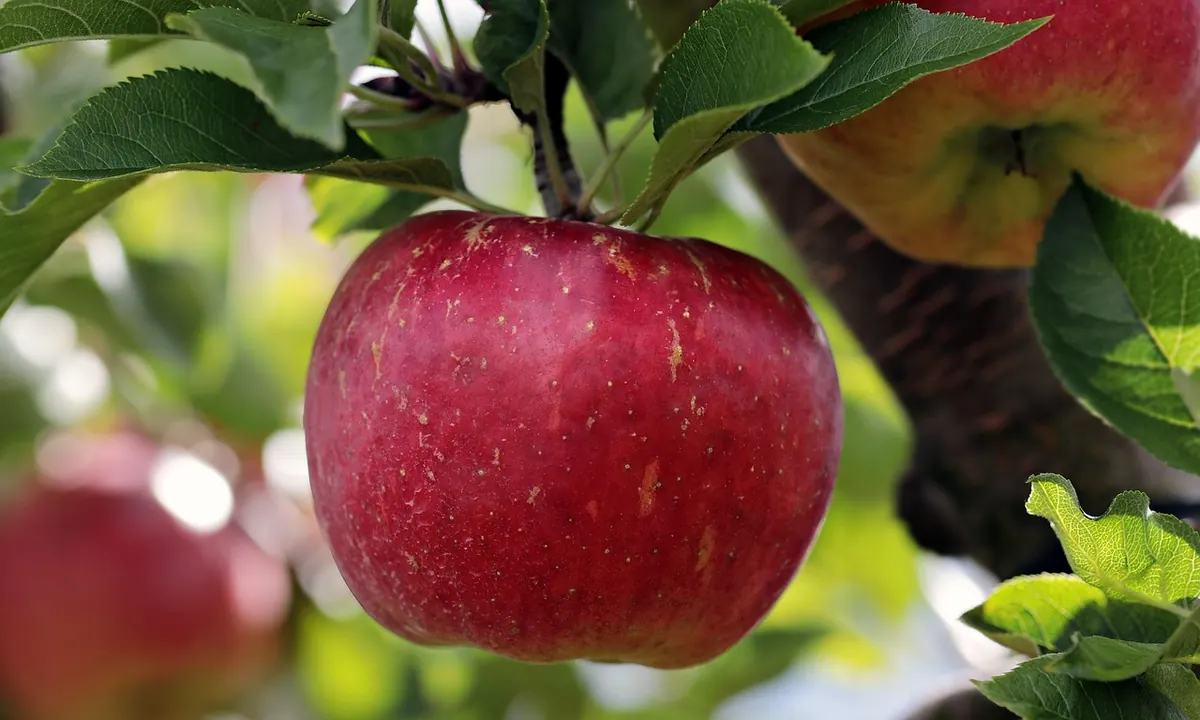
An overloaded branch is not a sign of success. Too much fruit means smaller fruit, weaker flower buds for next year, and branches that break under summer wind or rain. Thin after the natural drop of small, unpollinated fruit, when the remaining fruit is roughly the size of a marble or a little larger.
How to thin without damaging the tree
Use your thumb and forefinger, or small scissors, and remove the smallest, damaged, misshapen, or insect-punctured fruit first. Leave the healthiest fruit. For apples and pears, leave one fruit per cluster and about ten to fifteen centimetres between fruit. For plums, five to eight centimetres is usually enough. Peaches and nectarines benefit from ten to fifteen centimetres. Skip cherries and most small fruit unless a branch is clearly overloaded.
Do not strip a branch bare. Work around the tree, step back, and look again. The aim is fruit that will not touch when it swells, with enough leaves around it to shade the bark and feed the crop. If you are unsure, thin lightly this week and check again in ten days.
Prune Lightly and Support the Load
Summer is not the season for heavy pruning. The canopy is shading the fruit and the soil, and a sudden open wound in hot weather is not helpful. But a ten-minute pass can remove water sprouts from the trunk, suckers from the base, dead wood, and branches that cross or rub. Cut cleanly and leave the rest.
Look for branches that are already sagging under fruit. A soft tie to a strong limb or a sturdy prop can save a crop and a limb. Check ties you made earlier; they should be firm but not biting into the bark. If a branch has split, remove the broken part cleanly and support the remainder. Carry a small saw only if you expect to need it; otherwise, secateurs and a pruning knife are enough.
Use the Last Minute to Note What You See
A notebook is part of the checklist. Write down the date, what you watered, what you thinned, and any pest or disease you noticed. Note the weather, too: a week of heat, a heavy rain, a cold night. These small records turn next summer's checklist into a local document rather than a generic list. You will know which corner dries out first, which variety drops fruit early, and where the aphids appeared last year.
Make the Ten Minutes a Habit
Choose a regular morning, before the heat builds, and walk the same route each week. Start with the soil, then the mulch, then the leaves and fruit. Keep your tools in one bucket so you are not searching for gloves when the ten minutes begin. If a week is wet, skip watering and spend the time on pest checks and thinning. If a week is scorching, water first and leave the pruning for another day.
The ten-minute checklist will not solve every orchard problem, and it is not meant to. It is a way of catching
Photo: Skyler Ewing / Pexels