Autumn is the quietest stretch of the orchard year, which is exactly what makes it the most useful. The fruit is picked, the wasps have lost interest, and the trees are stripping back to wood and bud. What you do with the debris of the season — the shrivelled mummies still hanging on, the windfall under the tree, the pile of prunings by the gate — has a real bearing on how much disease and pest pressure you meet next spring. None of it demands much skill. It asks for a few dry afternoons and a stubbornness about where things end up.
Start with the fruit, on the ground and in the tree
Fallen fruit is the single most valuable thing you will pick up this autumn. Apples left to rot under the tree are a nursery for codling moth larvae leaving the fruit to pupate in the soil, and a magnet for wasps that will still be around when your late pears ripen. Stone fruit on the ground carries brown rot, which will happily reinfect next year's crop. Collect weekly through the drop rather than planning one heroic clear-up in November — the early windfalls are the ones that matter most.
Then look up. Mummified plums and apples hanging in the canopy are brown rot and scab waiting for spring. Twist them off gently and drop them straight into a bucket; don't shake the branch and scatter spores over everything below. Where a mummy sits at the end of a short twig, cut the twig back to healthy wood, because the infection often runs a little way into the shoot.
Sound windfalls are worth keeping for juice or jelly if you get to them quickly, but anything bruised, split or already browning goes out. Don't build a compost heap of rotting fruit at the base of the tree and call it recycling — that simply concentrates the problem where the tree can't avoid it.
Rake under apples and pears, relax elsewhere
Apple scab overwinters mainly in fallen leaves, so under apples and pears a decent rake-out in late autumn genuinely reduces the first wave of infection next spring. You do not need to strip the ground bare. Get the bulk of the leaf cover out from under the canopy and you have done the useful part.
Where do those leaves go? A separate leaf-mould bin left for two years is fine for most home orchards, as is municipal green waste; compost that never really heats up is less reliable for scab. Leaves from cherries, plums, walnuts and other less scab-prone trees are easier — run the mower over them and let them feed the lawn, or spread them thinly as a mulch. A thick, matted layer left over winter will smother grass and give voles a nice covered run at the trunk of young trees, so keep a clear ring around anything planted in the last few years.
Sort your prunings before they become a problem
Pruning in autumn is often best left until the tree is fully dormant, but whenever you cut, sort the wood as you go rather than dumping it all in one pile to deal with later.
Anything diseased goes first: cankered branches, wood with suspicious sunken lesions, and any shoot that looks like fireblight. On pome fruit, fireblight is serious and in some regions regulated, so check local guidance before you move material around. Where burning is allowed, burn it; where it isn't, bag it and send it for disposal. Healthy prunings can be chipped and composted, used on paths, or left in a habitat pile well away from the trees. Don't stack fresh prunings against a trunk — it holds damp against the bark and gives overwintering pests somewhere comfortable to sit.
Raspberry and blackcurrant canes cut out in autumn deserve the same suspicion. If you have had cane disease or gall mite, get the old wood off the site rather than shredding it back into the bed.
The small jobs that always get skipped
Once the big piles are gone, walk the rows with a pocket knife and check the hardware. Loose ties that have started to girdle a swelling trunk, guards cracked or full of debris, stakes leaning, irrigation lines nicked by the mower, netting left to rot on the ground. Clean guards and store them dry; a dirty guard is a fine overwintering site for woolly aphid and earwigs.
If winter moth has been a problem on your apples, grease bands need to be in place by mid-autumn, before the wingless females start climbing the trunks. Wash and store traps, canes, labels and crates. Wasp nests in the shed or under an eave can be dealt with once the colony has died out — a cold evening is safer than a warm afternoon.
Send each material to the right place
Most autumn mistakes come down to good material going to the wrong destination. A rough guide:
- Diseased and mummified fruit: household waste, municipal green waste or a hot compost system — not the open home heap.
- Cankered or suspect wood: burn where permitted, otherwise bag and dispose. Keep it away from the orchard.
- Apple and pear leaves where scab is a known problem: separate leaf-mould bin for two years, or municipal collection.
- Healthy prunings: shred and compost, or use as path material and woodchip mulch.
- Shredded wood, cardboard, straw: the browns that balance your compost heap.
- Grass clippings and soft weeds: greens, in thin layers, never in a slimy mat.
When you mulch, work with the soil rather than against it. Apply 5–8 cm of well-rotted material over moist ground, keep it 10 cm clear of the trunk, and don't build a cone against the bark. Late autumn is a good time, provided the soil is still warm and wet rather than frozen or bone dry. Around young trees, mulch is the best winter weed control you have; just leave that collar of bare soil.
Leave some mess on purpose
Sanitation is not the same as tidiness. A clean orchard is one where disease pressure is managed, not one where every leaf is bagged. Ground beetles, lacewings, hoverflies and solitary bees all overwinter in the bits you are tempted to sweep up. Leave a rough strip at the boundary, a small log pile, some hollow stems standing through winter, a few stones in a corner. Avoid deep cultivation under the trees — shallow scratching is enough, and a fork plunged in wrecks the fungal networks and the beetles' bedrooms at the same time.
If you have a healthy tree and a light crop, a handful of windfalls left well away from the canopy does no harm. Under a tree with a scab or codling moth history, it does.
A sensible order of work
Do the jobs in this sequence and you will not carry anything twice:
- Pick up windfalls and remove mummies, weekly, into a bucket as you walk.
- Cut out cankered and dead wood and set it aside separately from clean prunings.
- Rake leaves under scab-prone apples and pears, then deal with the rest as mulch or leaf mould.
- Shred or burn the wood piles, keeping diseased material out of the compost.
- Clean, check and store guards, ties, netting and supports; fit grease bands.
- Mulch the tree rings and the young trees, keeping clear of the trunks.
- Clean and oil the tools, and make a note of which trees need a closer look in spring.
Two or three dry days will cover most of it. What you are really doing is interrupting the life cycles of the things that made trouble this year, and leaving the rest of the orchard's small residents somewhere to spend the winter. Get that balance right and next spring starts with fewer problems than the last one did.
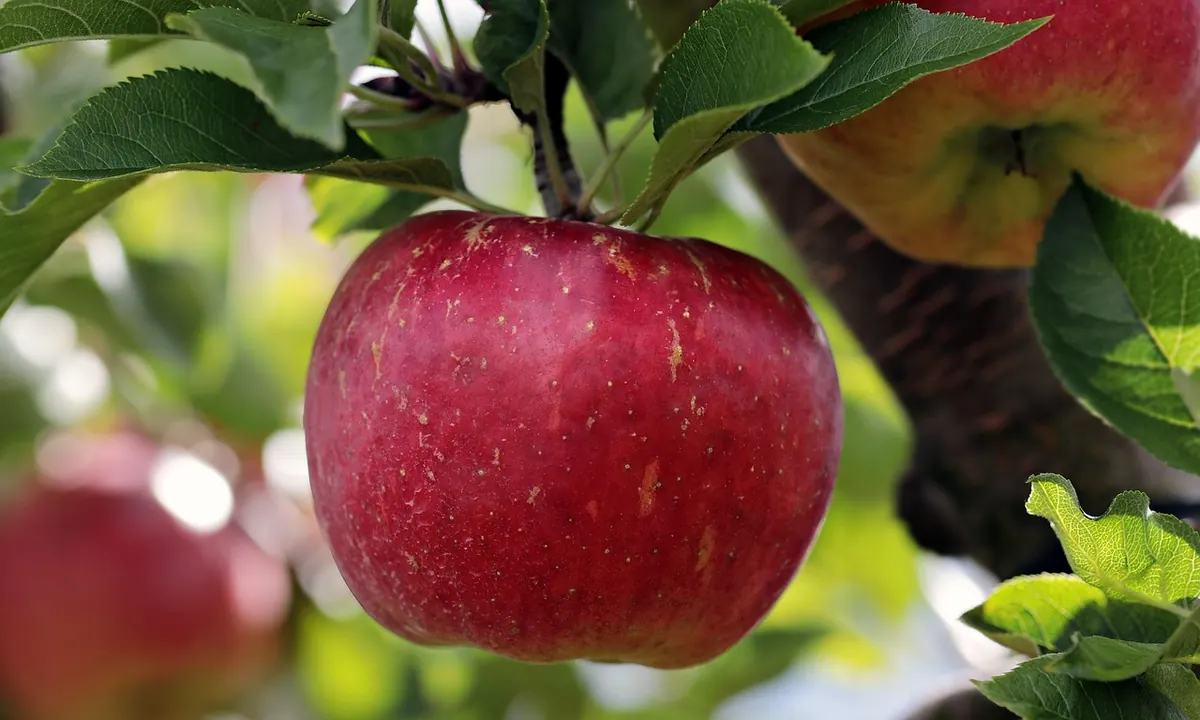
Photo: pixel2013 / Pixabay