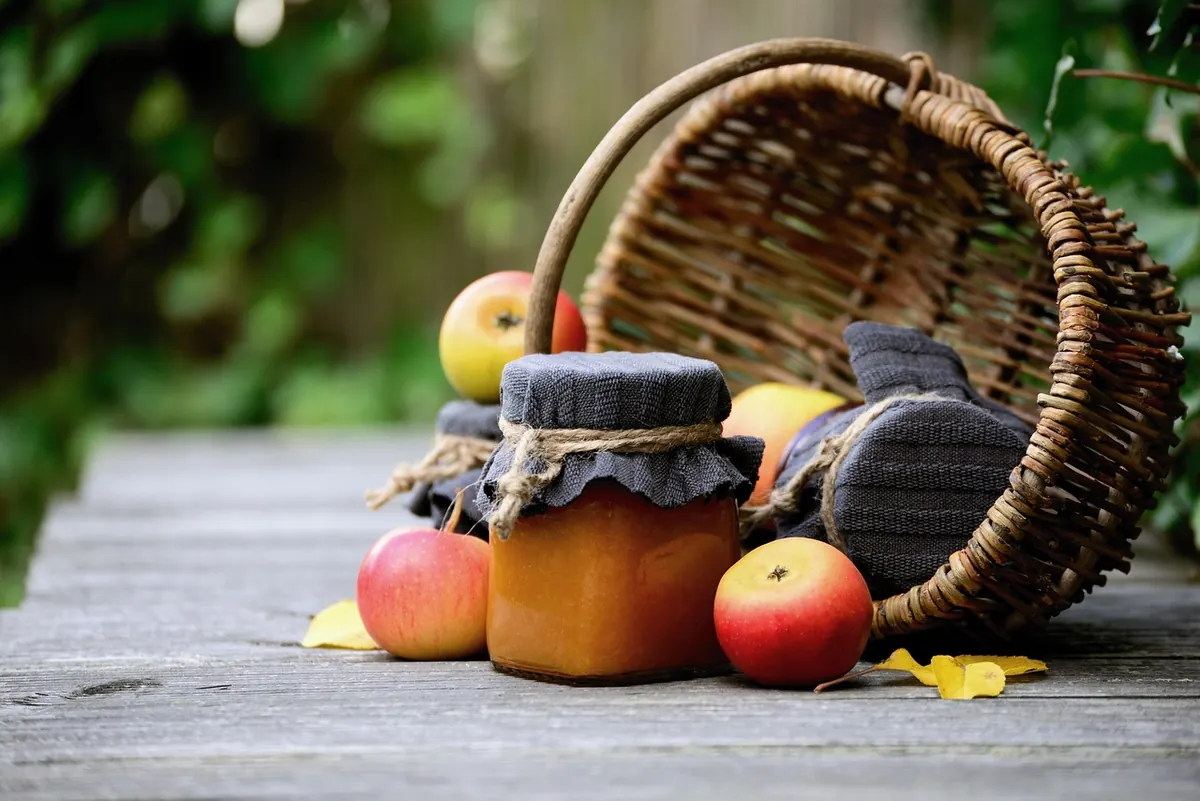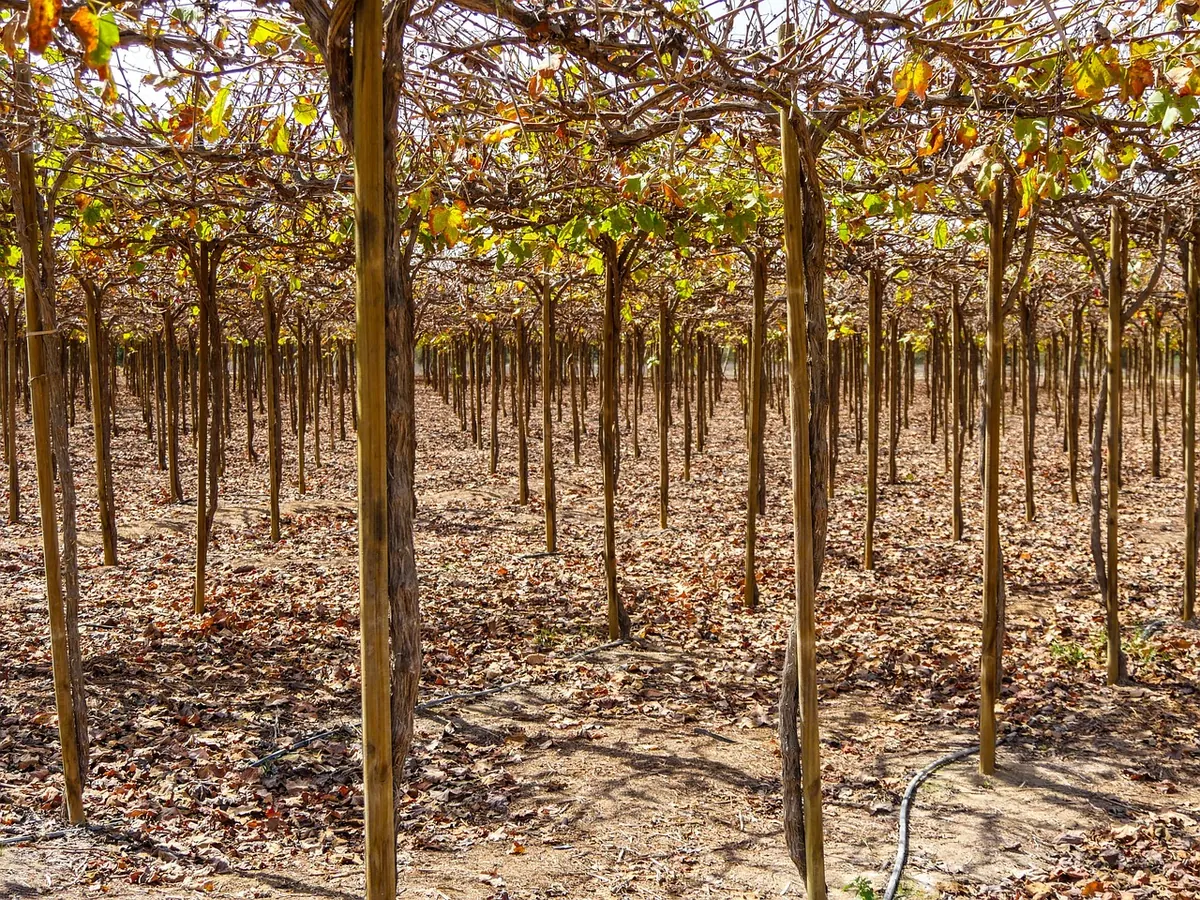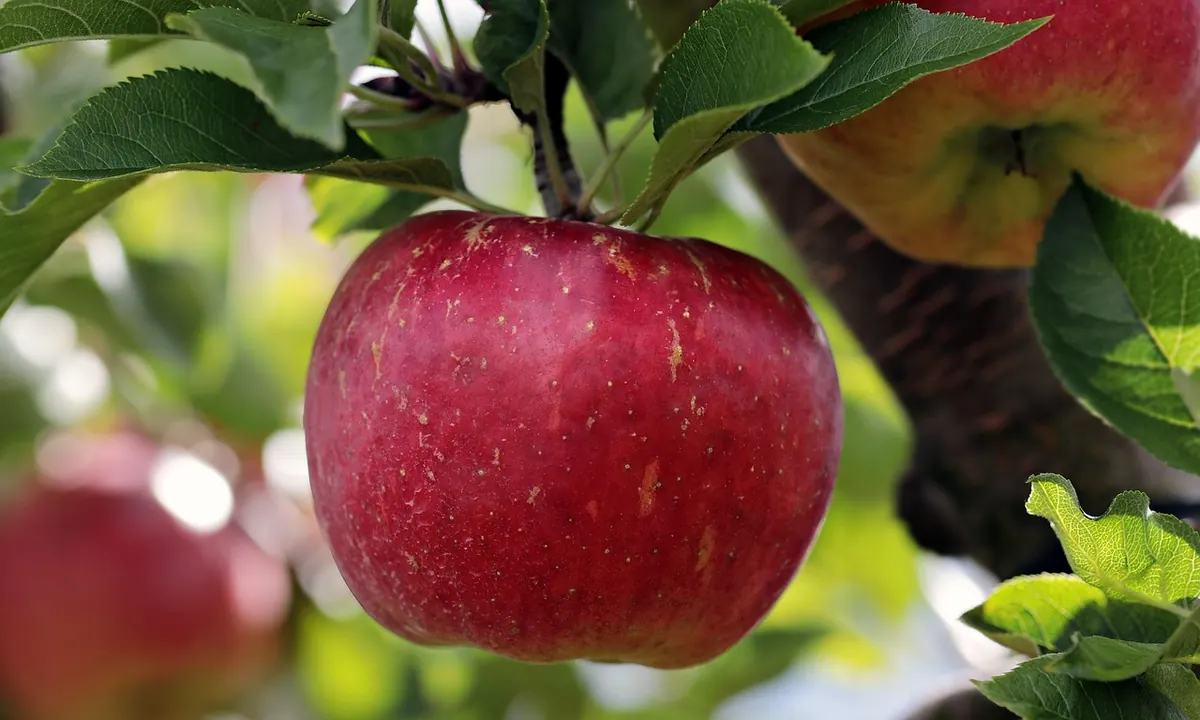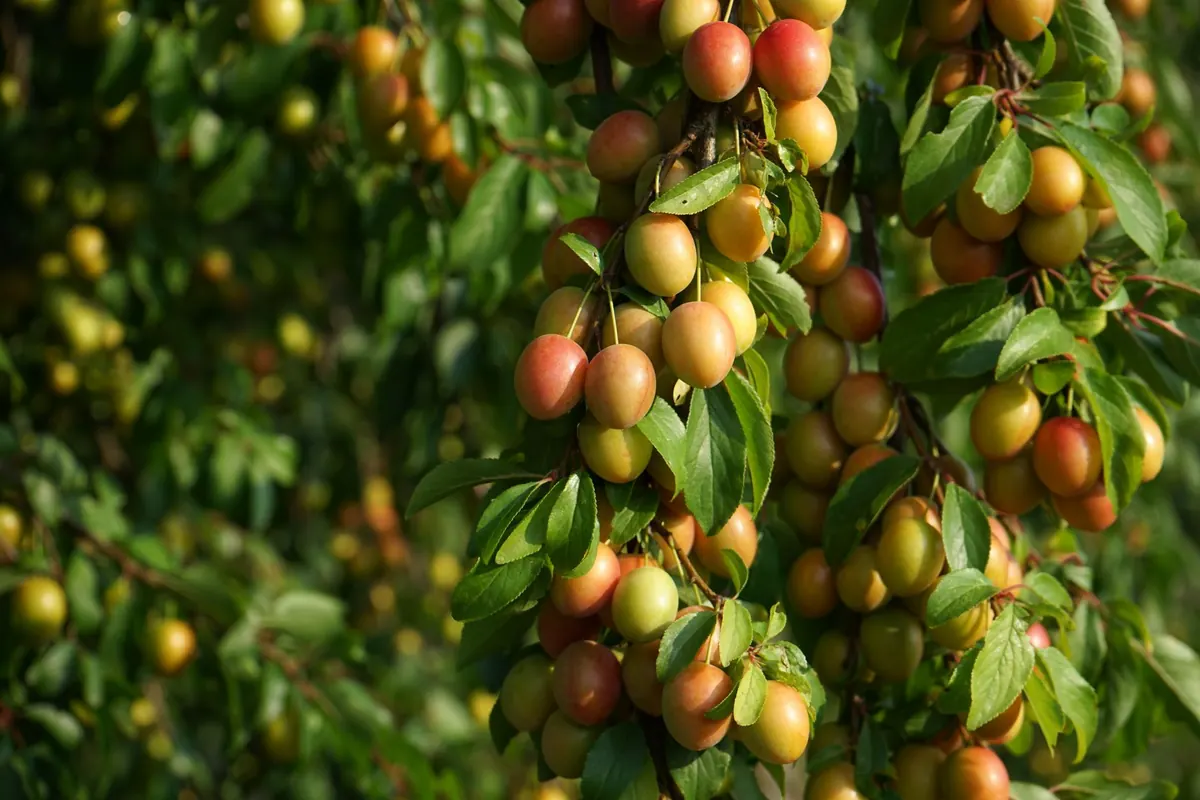
Plums are sold on colour, and colour tells you almost nothing. A purple plum can be a sugary dessert gage or an acid bomb destined for the jam pan; two identical-looking fruits can ripen six weeks apart and need completely different neighbours to crop. The better question, before you order a bare-root tree, is what you intend to do with the fruit — and how much space, sun and patience you can give it.
Start with the kitchen, not the catalogue
Growers split plums roughly three ways: dessert varieties to eat fresh, culinary varieties to cook, and dual-purpose types that do both adequately. That division is more useful than the botanical one between European plums (Prunus domestica) and Japanese plums (Prunus salicina), though the second matters too, because Japanese types flower early, crop heavily in warm summers, and generally need a partner.
Think about your actual harvest. A mature plum on a semi-vigorous rootstock can give you far more fruit than a family eats from the tree. If you have one tree's worth of space, choose dual-purpose fruit and you keep your options open. If you have two trees, plant one dessert plum and one cooker — the cooking tree can carry the preserving load while the dessert tree gets eaten over the sink.
Dessert plums: sweetness, aroma, and a short window
Dessert plums are picked dead ripe and eaten within days. They are not the fruit you leave in a bowl for a week. Expect higher sugar, softer flesh and more perfume, and expect a narrower harvest window — often ten days to a fortnight per variety, which is exactly why gardeners spread early, mid and late varieties across the season.
Gages and the sweet European tradition
Green gages are the benchmark for flavour: honeyed, aromatic, thin-skinned. Cambridge Gage is the classic, though it crops erratically and benefits from a pollinator nearby. Oullins Gage ripens early and is a good choice for a warm wall, while Coe's Golden Drop is a late, intensely sweet plum that needs a long, sheltered season to be worth growing — in a cool spot it never quite gets there.
Japanese plums and the juicy early crop
Japanese types such as Santa Rosa and Satsuma are large, red or purple, juicy and mild, and they ripen earlier than most European plums. They also flower early, so a frost pocket can wipe out the crop in a single April night. Most are not self-fertile, and they need a second Japanese variety flowering at the same time.
Opal sits comfortably between the camps: sweet enough to eat fresh, reliable, and a sensible first dessert plum for a cool garden. Blue Tit is small-fruited but productive and pretty, useful where space is tight.
Cooking plums: acid, firmness and pectin
A good cooking plum should taste too sharp raw. That acidity is the point — it survives sugar, heat and a spell in a preserving pan, and it keeps the finished jam from tasting flat. Look for firm flesh that holds its shape and, for jam, decent natural pectin.
Czar is the workhorse: dark blue-purple, self-fertile, heavy cropping and tolerant of cold sites, with fruit that poaches to a deep pink. Pershore, a yellow plum from Worcestershire, is grown almost entirely for preserving because it sets beautifully and makes a glowing, translucent jam. Warwickshire Drooper has a weeping habit, which makes picking easy, and yellow fruit that needs sugar but rewards it.
Damsons deserve their own note. Smaller, bluer and more astringent than a plum, they are superb in gin, jam and chutney, and the stones are best removed before cooking if you can be bothered. A single damson tree will supply a street's worth of preserving fruit.
Dual-purpose plums: the sensible middle
Dual-purpose varieties rarely hit the heights of a specialist, but they are the right answer for most gardens: one tree, two uses, and a bit of slack in the season.
- Victoria — self-fertile, heavy and reliable, sweet enough for the table and firm enough to bottle or freeze. Thin the fruit or you will be picking broken branches off the grass in August.
- Marjorie's Seedling — a late plum, often picked into October, that eats well fresh and cooks well. Useful because it extends the season when everything else has finished.
- Avalon — large, red-purple fruit, early to mid season, good flavour fresh and decent in the pan.
- President — very late, very large, better cooked than raw in most years, and a good choice for a cold, exposed site where early plums fail.
Pollination and flowering: the detail that decides your crop
Plums are grouped by flowering time, from very early to late. Two varieties only pollinate each other if their blossom overlaps, which is why a mid-season tree and a very late one are poor partners even if both are healthy. Japanese plums flower earlier than European ones and rarely cross with them.
Reliably self-fertile choices include Victoria, Czar and Marjorie's Seedling, so a single tree of these will fruit alone. Most others crop better with a partner within roughly 20–30 metres, and bees do the rest. If your neighbours grow plums, you may already have a pollinator.
Rootstock matters as much as variety. Pixy keeps a tree to around two to two and a half metres and suits small gardens and fans; St Julian A is semi-vigorous and the standard for most gardens; Brompton makes a big tree for a big space. Plums prefer a fertile, moisture-retentive soil that does not waterlog, and they dislike being moved — plant once, in the right place, in late autumn or winter.
Matching the plum to your garden
Small garden, one tree, family that eats fresh fruit: Victoria on Pixy, or Opal with a partner if you have room for two. Cold, exposed plot: Czar for cooking and President for a late crop. Warm sheltered wall and a taste for the best fruit you will ever eat: a green gage, trained as a fan. Allotment with a preserving habit: Pershore or a damson.
Two practical points worth knowing. Plums are prone to silver leaf, so prune in early summer, never in wet winter weather, and keep cuts minimal. And wasps find ripe plums before you do — pick slightly firm for cooking, and check trees daily once the first fruit colours up.
A practical planting plan
- Write down your intended uses: fresh eating, jam, freezing, gin.
- Pick one self-fertile dual-purpose variety if you have space for only one tree.
- If planting two, check flowering overlap and choose different seasons — an early plus a late.
- Choose the rootstock for your space, not the variety's reputation.
- Plant bare-root between November and March, stake properly, and keep grass and weeds clear for the first three years.
- Thin heavy crops in early summer so branches carry the weight and fruit sizes up.
Do that, and the harvest will match the kitchen rather than the catalogue photograph.
Photo: Jakub N / Pexels